I’ve never heard of anyone coming back from Bali without having an incredible time – and now I know why. The island has a certain magic that makes you instantly fall in love with it. From sipping cocktails and dancing the night away to exploring lush nature and feeling the warmth of Balinese hospitality, every moment feels unforgettable.
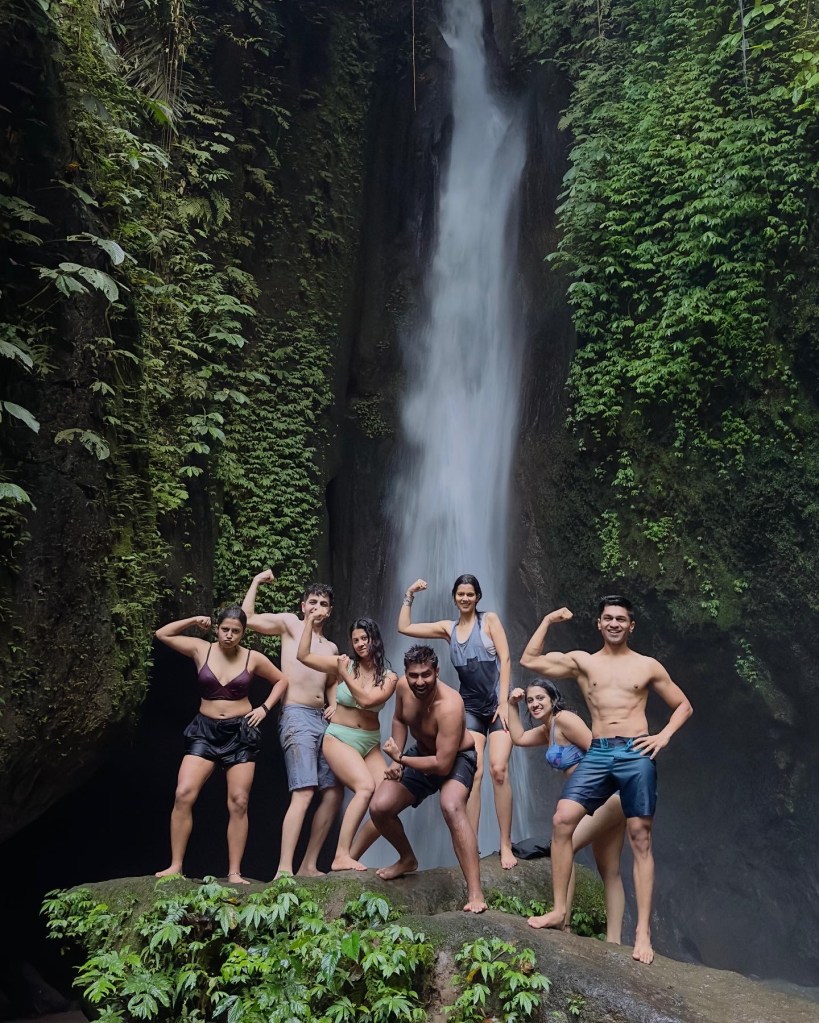
Bali truly has it all: world-class beach clubs, stunning temples, vegan-friendly cafés, and endless stretches of golden sand. We were a group of eight friends who set off to explore this tropical paradise in May 2023 – and what followed was pure joy.
| Date & Day | When awoke | Night at |
| 5th May, Fri | Flew to Bali | Flight & KL Airport |
| 6th May, Sat | Canggu & Kuta | Canggu |
| 7th May, Sun | North Bali | Ubud |
| 8th May, Mon | East Bali | Ubud |
| 9th May, Tue | Ubud & Flew to Java | Mt Bromo Base |
| 10th May, Wed | Mt Bromo hike | Mt Ijen Base |
| 11th May, Thu | Mt Ijen hike | Uluwatu |
| 12th May, Fri | Uluwatu | Uluwatu |
| 13th May, Sat | Nusa Penida | Uluwatu |
| 14th May, Sun | Fly back to India |
About Bali & East Java
Before diving into our Bali adventures, here’s a bit about the place and some practical tips. Bali, part of Indonesia, lies just east of Java and is one of the country’s thousands of islands. Interestingly, though Indonesia has the largest Muslim population in the world, Bali itself is predominantly Hindu. You’ll see temples at every turn, offerings placed outside doorsteps, and locals dressed in colourful traditional attire- yet it’s also incredibly open-minded and welcoming. Tourists can wear what they like, though modest dressing is appreciated in smaller towns.
Speaking of essentials, a universal travel adapter is a must since Indian plugs don’t fit local sockets, and a power bank will be your best friend during long beach days or hikes.
Bali’s weather stays hot year-round, thanks to its proximity to the equator. Pack light- think T-shirts, shorts, and swimwear, along with sunscreen and flip-flops. Carrying a Priority Pass or Diners Club card can be handy for airport lounge access along the journey. Also, bring enough US Dollars from India, as cash is king in many places and ATMs often charge high withdrawal fees. When exchanging money, don’t blindly trust the display rate — there’s usually room to negotiate. Avoid smaller places as they are famous for scamming tourists.
The country’s currency is the Indonesian Rupiah (IDR), where denominations are large — it’s common to remove the last three zeros for easy understanding. Roughly, ₹100 equals about 20,000 IDR, so something that costs “50 Rupiah” locally might actually be 50,000 IDR. Overall, Bali and much of Indonesia are about 1.3 times costlier than India.
The local language is Bahasa Indonesia, though English works somewhat in touristy areas. Like in Thailand, communication is a challenge. You’ll find convenience stores like Indomaret and MiniMart nearly everywhere- almost open 24/7, selling snacks, beers, and even basic meals. Veg options are limited.
The Visa & Flights
Getting to Bali from India is easier than ever. As of now, there are two direct connections — Air India operates a flight from Delhi, while IndiGo connects Bali directly with Bengaluru. For everyone else, there are plenty of convenient one-stop options. Most major Indian cities (and even several smaller ones) have frequent flights to hubs like Singapore, Kuala Lumpur, or Bangkok — all of which offer multiple daily connections onward to Bali.
In short, if your city has an international airport, you can reach Bali with just one quick layover. However, keep in mind that many low-cost carriers such as AirAsia, Thai Lion Air, and Scoot do not include checked baggage in their base fare. You’ll need to purchase luggage allowance separately, so double-check your booking details to avoid surprises at the airport.
The great news for Indians is that visa-on-arrival is available for all Indians without any documents or e-permits. All you need is your valid passport and 30 USD. Alternatively, you can prepay online through the e-visa option. At the airport counter, payment is accepted in either Indonesian Rupiah or US Dollars, so carry some cash.
Cost of the Trip
| Cost (INR) | Comment | |
| Flights | 40,000 | Air Asia via KL |
| Visa, SIM, Insurance | 4,000 | 30$ Visa, Rs 1000 SIM |
| Internal Movement | 3,000 | 2 Innovas for Ubud trips |
| East Java Trip | 15,000 | Flight to SUB, Road journey to Ijen & Bromo, Road back to Bali (w ferry) |
| Food & Drinks | 12,000 | 2 big meals, 1 small with lots of drinks |
| Nusa Penida Trip | 8,000 | Full-day trip with snorkelling |
| Stay | 16,000 | Rs 2,000 pp per day budget |
| Miscellaneous | 2,000 | |
| Total | 1,00,000 |
Our 8D 8N itinerary
6th May, Saturday
We touched down at Bali’s Ngurah Rai International Airport (DPS) after a long layover in Kuala Lumpur. We had pre-booked two cabs for our group of eight to take us straight to our stay- a lively party hostel in Canggu called Lushy. Since it was a Saturday, we figured there was no better way to start the trip than with some good music, drinks, and that unmistakable Bali vibe.
On the way, our drivers helped us buy local SIM cards — we picked the 18 GB plan, which cost around ₹1,200. One important heads-up: Bali SIM cards have hotspot sharing disabled, so plan accordingly. Most networks offer good coverage, but note that eSIMs aren’t available yet at all the places we checked. If you depend on shared data among friends, you might get stuck, so it’s safer for everyone to have their own SIM.
The next stop was for currency exchange. There are dozens of money changers everywhere, but choose the established ones even if their rates are slightly worse. The reason: small roadside outlets are notorious for sleight-of-hand scams. I learned this the hard way when a vendor quietly slipped a thick bundle back into his drawer during counting- I caught it just in time! Since the Indonesian Rupiah runs into huge numbers (USD 1 ≈ 15,000 IDR), exchanging even a thousand dollars means handling stacks of notes- easy to confuse, and easier to get shortchanged.
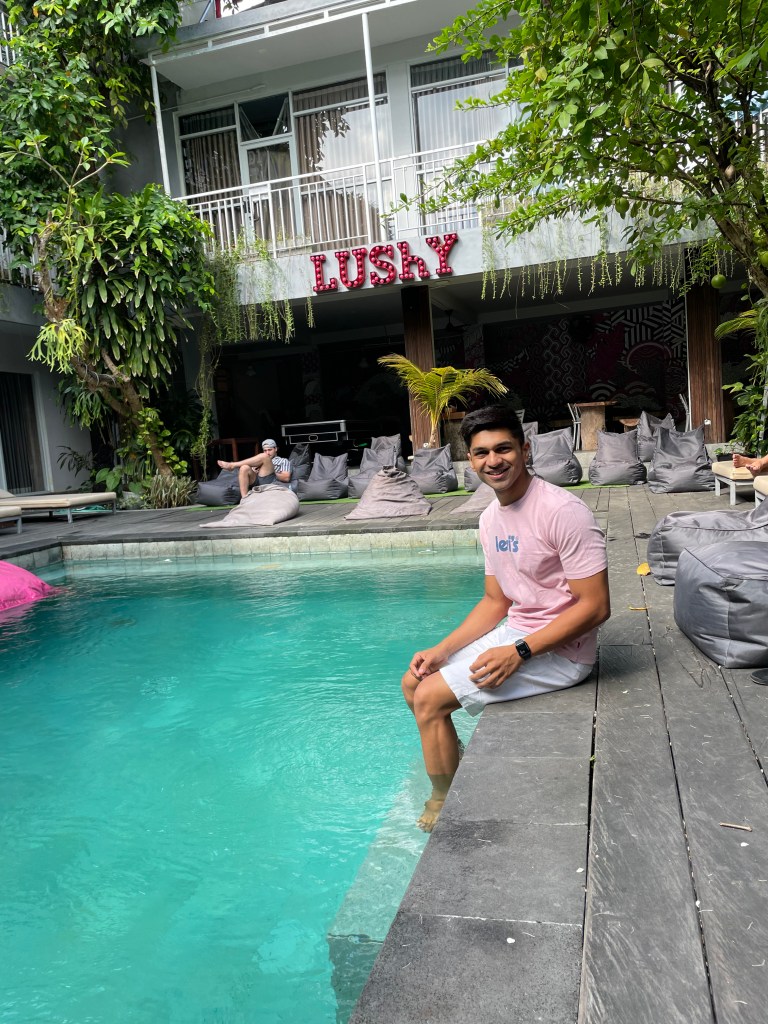
After sorting all that out, we finally checked into Lushy Hostel, freshened up, and got ready for our first Balinese night. A few shots at the hostel bar later, we headed out to Finn’s Beach Club– the most famous one on the island. It’s usually best to go during the day when you can rent a bed, swim, and watch the sunset, but since we arrived at night, we skipped the minimum spend tables and just enjoyed drinks, snacks, and great music by the pool.
Bali’s beach clubs can be pricey, so it’s smart to pre‑game or have your drinks at smaller local bars first — that way, you get a mix of experiences without burning through your budget.
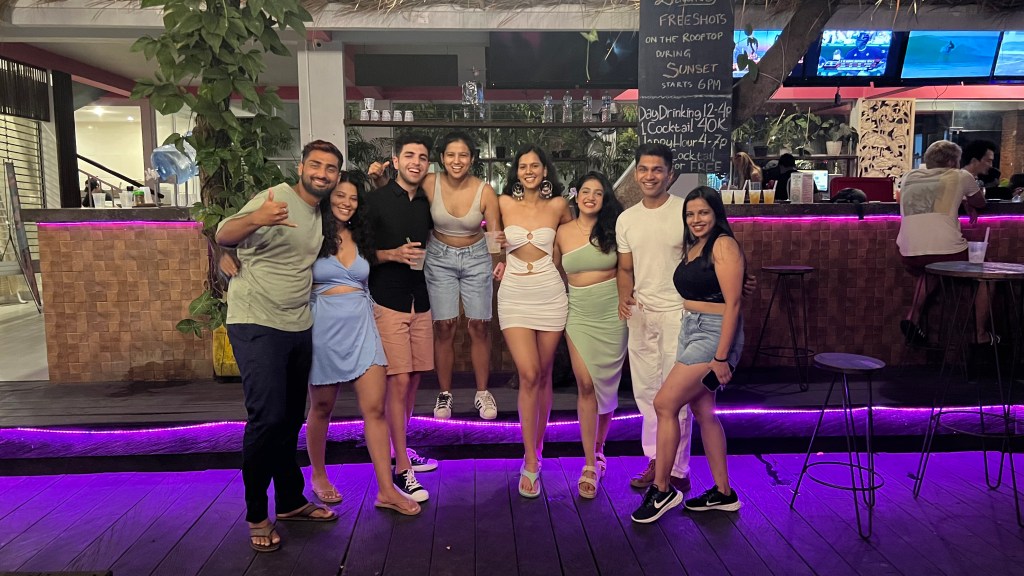
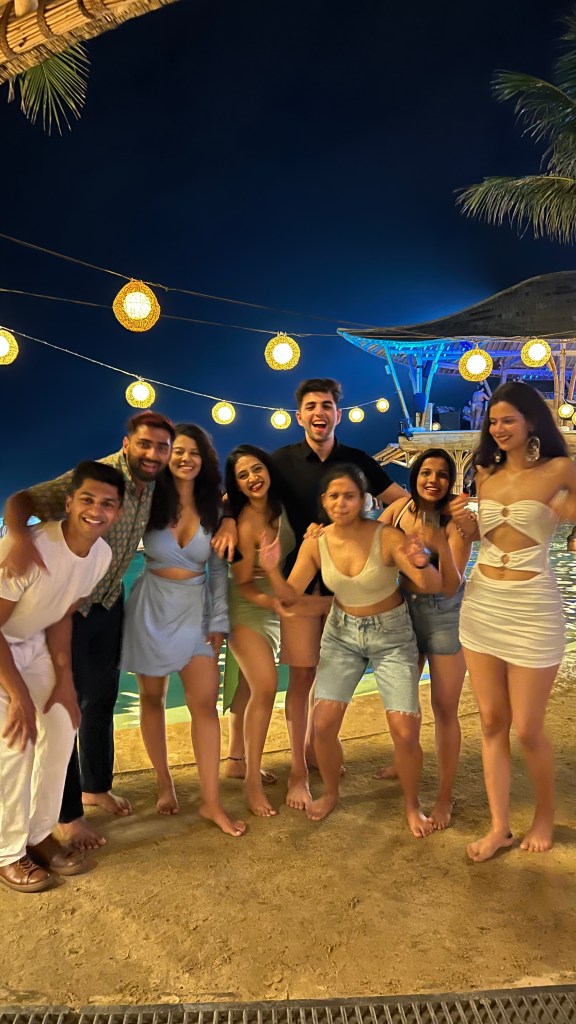
From there, it was a classic Canggu night- a bit of bar-hopping, lots of laughter, and eventually ending up at La Favela, a multi-floor club with vibrant energy and Western music. The place was packed with young travellers dancing till late under neon lights. We wrapped up the night content, tired, and ready to see what Bali had in store for the days ahead.
On a scale of -5 to +5, I would rate Finns a +2 and La Favela a +2.5.
7th May, Sunday
We checked out of our hostel in Canggu on Sunday morning and headed north in two private cars that we had hired for the next two days. The plan was to leave the party vibe behind for a bit and explore the quieter, greener side of Bali. Our first stop was the scenic Banyu Wana / Wanagiri Hills area near the Twin Lakes, where you get those classic photo spots overlooking the lakes and mountains. It’s very Instagram-friendly, with viewpoints and setups for pictures, but you can decide how much time you want to spend depending on your interest in staged photo ops.
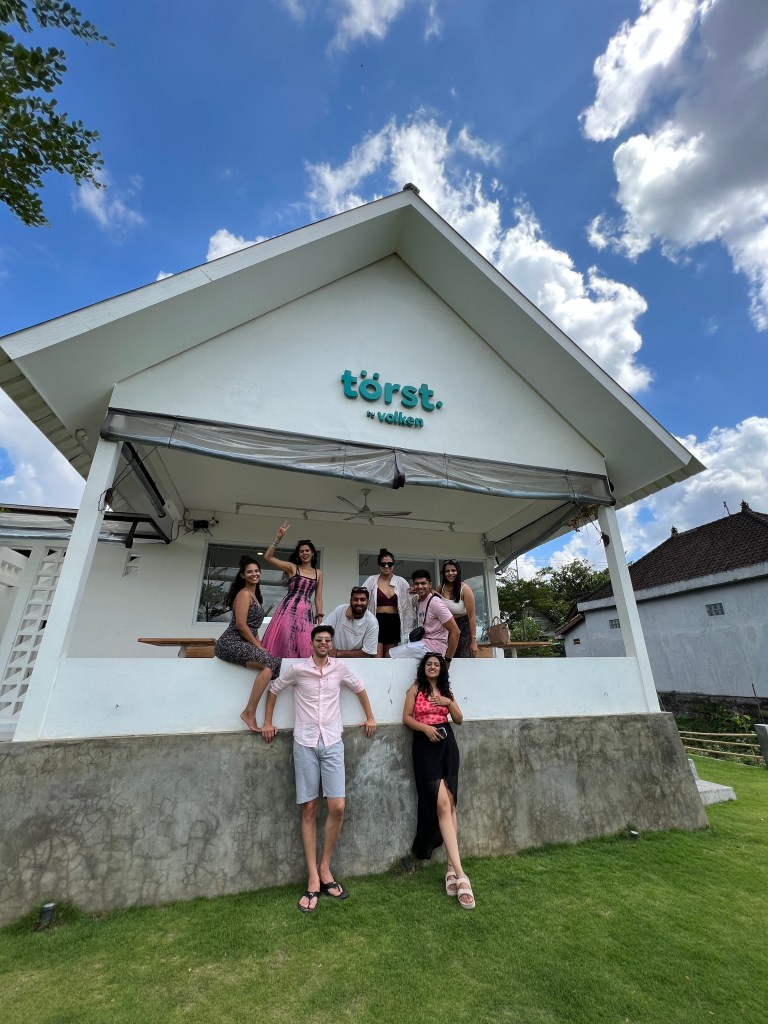
On the way, we stopped at the famous Handara Gate, another Instagram hotspot. The queue for the iconic photo, however, was more than an hour long, which is quite normal at most popular photo spots in Bali. We decided it wasn’t worth our time and skipped buying the ticket. This is a useful reminder: many “Instagrammable” points in Bali can cost you both money and a lot of waiting, so pick your battles.
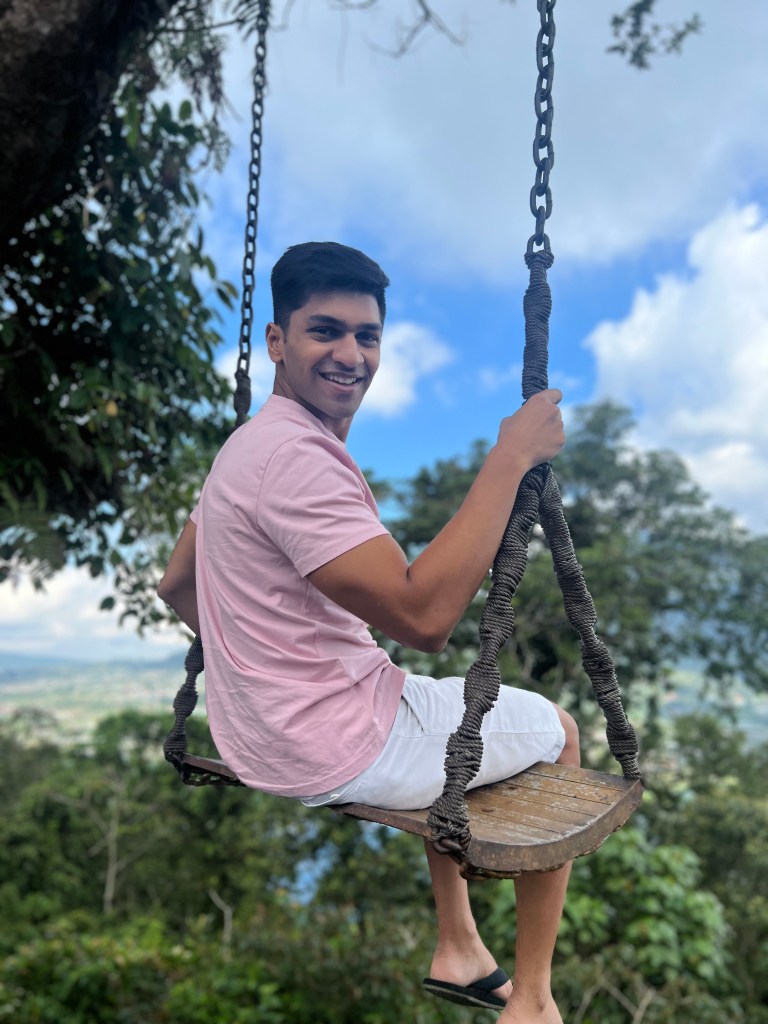
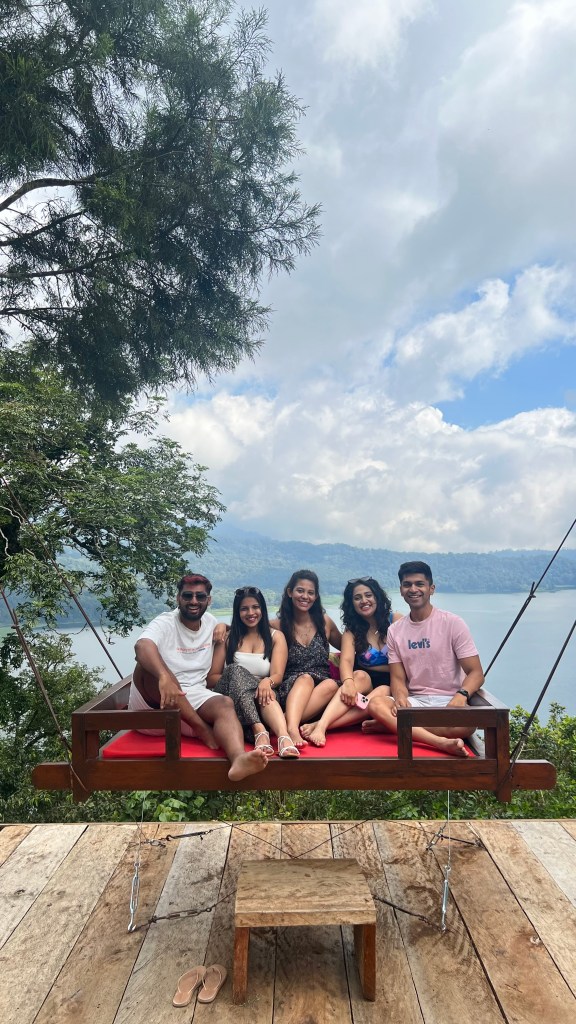
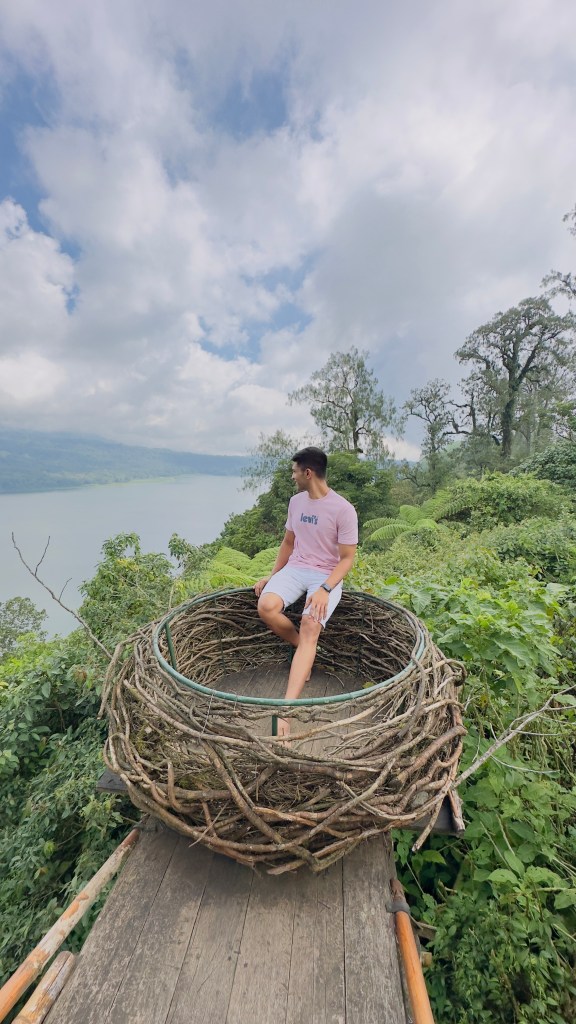
Our next proper stop was the beautiful Ulun Danu Beratan Temple. The temple complex is surrounded by manicured gardens, calm waters, and cool mountain air, and it’s genuinely worth a visit. Plan for about an hour here to stroll through the gardens, take photos by the lake, and soak in the peaceful atmosphere. We grabbed a quick bite at a nearby Mini Mart before moving on.
Post-lunch, we drove to Leke Leke Waterfall, which turned out to be the highlight of the day. The waterfall officially operates roughly from morning until early evening, with last entry around 5 pm, and closing around 6 pm. We entered exactly at 5 pm and, to our luck, had the entire place to ourselves. From the parking area, it’s about a 15-minute walk down one way through lush greenery to reach the falls.
Leke Leke is a tall, narrow waterfall dropping into a small pool below, surrounded by jungle on all sides. It’s perfect for a small group to chill, click photos, and enjoy the sound of the water without crowds. The water isn’t very deep, so you can safely splash around if you’re comfortable. There are no proper changing rooms, so be prepared to change behind rocks or trees if you plan to get into the water. It’s incredibly picturesque, and you can get some stunning shots here, especially if you get the place to yourself like we did.
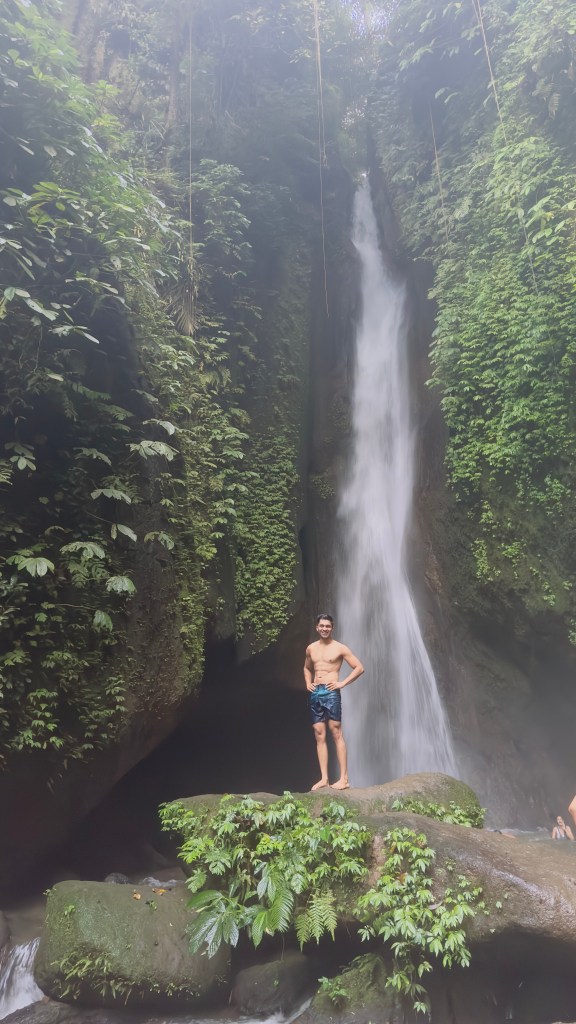
From there, we headed out for dinner and then drove to our Airbnb villa, set amid paddy fields with a private pool. It was the perfect setting to unwind after a long day on the road. If you start early enough, you can even extend this route further north to visit waterfalls like Aling-Aling or Gitgit, where you can try cliff jumping and natural slides. Personally, I felt that many of the “sightseeing points” we saw this day were nice but skippable if you’re short on time — Leke Leke Waterfall was the clear standout and is also not too far from central Ubud, making it easy to fit into most itineraries.
On a scale of -5 to +5, I would rate Wanagiri Hills a +1, Ulun Danu a +2 and Leke Waterfalls +3.5.
8th May, Monday
We kicked off the day by heading east from our villa towards some of Bali’s hidden gems. First up was Cepung Waterfall, a stunning cave waterfall where sunlight streams through the opening, creating a magical fan-like veil of water cascading down the rock walls. The photos here are unreal- rays of light dance through the mist for those ethereal shots everyone chases. Reaching it takes about 40 minutes of walking and some stairs down into the cave, so like most Bali waterfalls, it requires real effort (no wheelchair access or drive-up views).
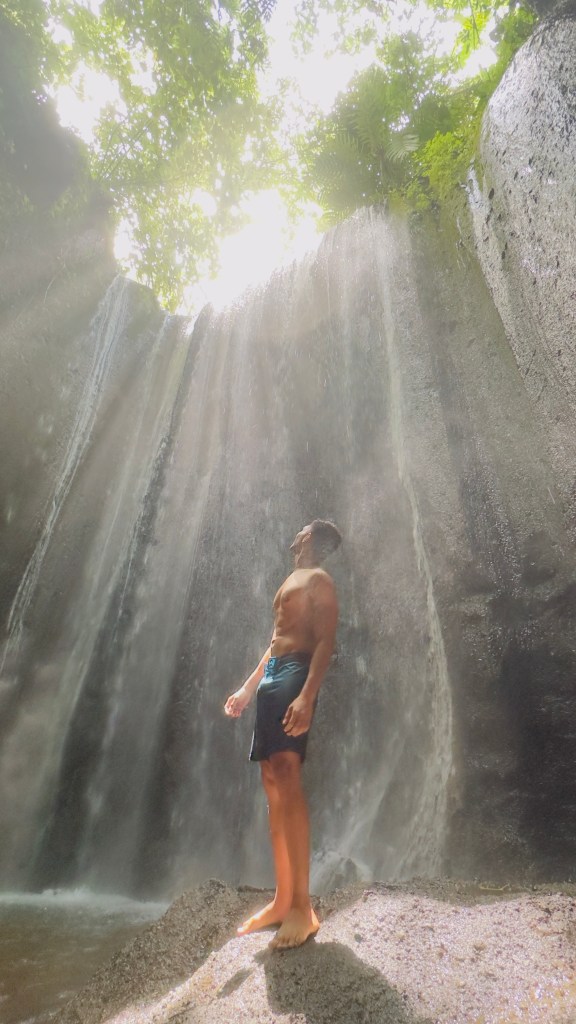
After climbing back up, we grabbed lunch nearby to recharge. Next, we hit Cretya Beach Club. The bar, restaurant, and infinity pools are open to all, with stunning multi-level designs where water spills from one pool to the next, surrounded by lush paddy fields. They even have the iconic Balinese swings for those fun photos. You can upgrade to private tables with minimum spends and group size rules if you want VIP vibes, plus there are small changing rooms handy for swimsuits.
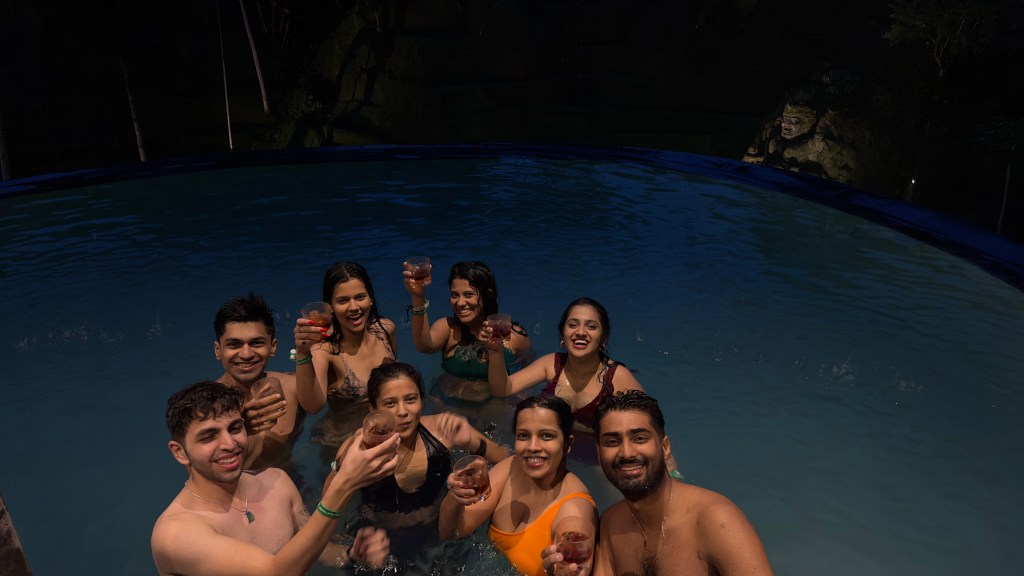
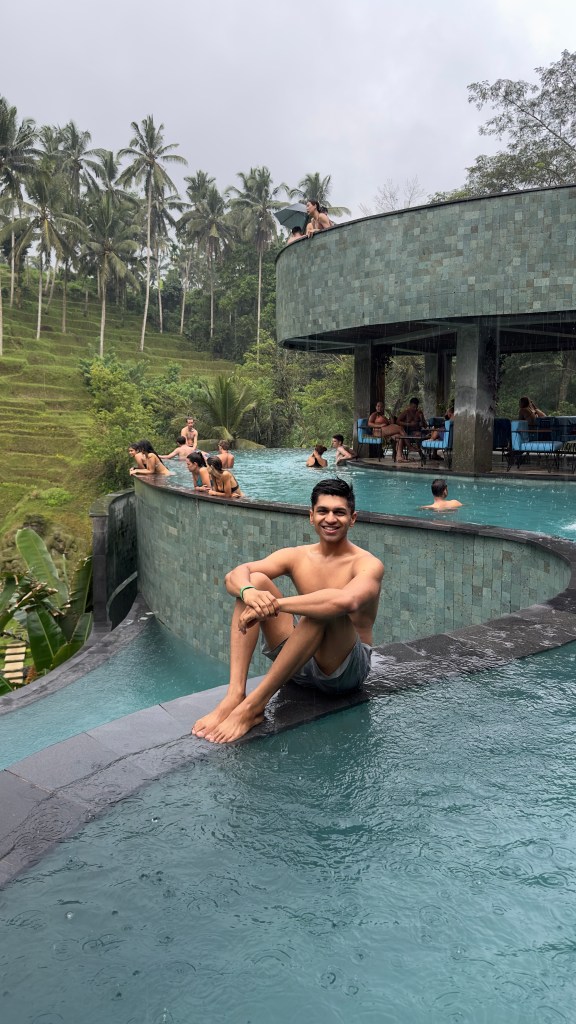
We lounged in those epic infinity pools until sunset, sipping drinks and soaking in the views, then headed for dinner before crashing back at our villa. A quick note: We skipped far-east spots like Lempuyang Temple (famous for those perfect gate reflection photos in its water pools) because it’s a long haul from central Ubud. Same for Tirta Gangga and Taman Ujung- great water palaces, but distance killed them for our tight schedule. If we’d planned smarter, we could’ve squeezed in Ubud’s famous ATV rides through rice fields and waterfalls too.
On a scale of -5 to +5, I would rate Cepung Waterfall a +2.5 and the Cretya Beach Club a +3.
9th May, Tue
We started the day a bit later than usual, thanks to a late night chilling at our villa’s private pool. First stop was the iconic Sacred Monkey Forest Sanctuary in Ubud- a massive 12.5-hectare jungle reserve with over 1,000 long-tailed macaques, ancient temples, bridges, ponds, and mossy stone paths. It was raining that day, so many monkeys were hiding up in the trees, but the place is huge enough to explore anyway. You can even pay extra for fun photo ops where staff lure a monkey onto your lap or shoulder (around 50,000 IDR for “monkey selfies”).
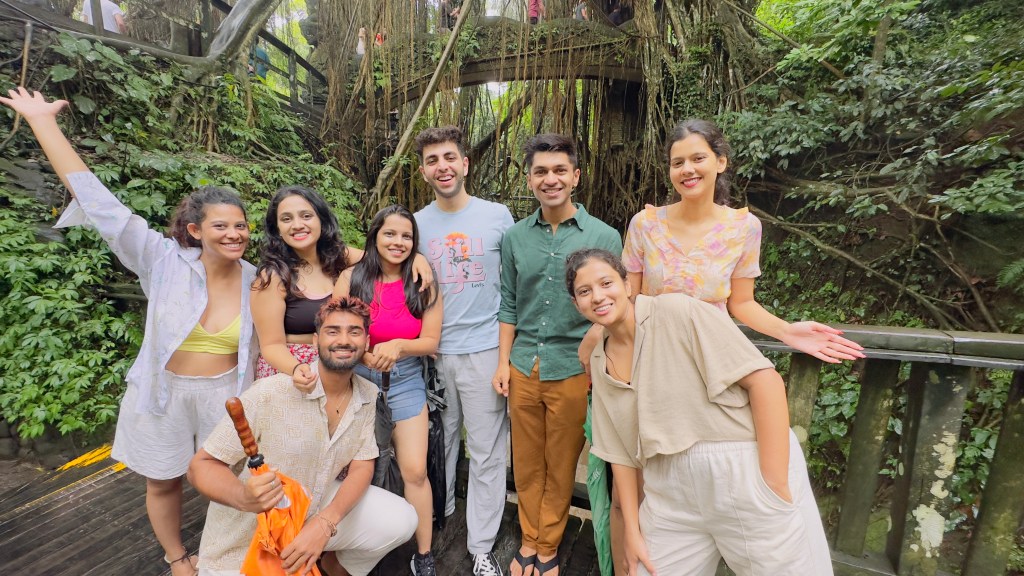
From there, it was straight to the airport on Bali’s domestic side for our evening flight to Surabaya (about 1 hour long, departing around 6 PM). We’d pre-booked a private tour for Mount Bromo and Ijen, so a cab was waiting right at Surabaya Airport to whisk us to our homestay near Mount Bromo- a common setup for volcano tours starting from there.
One big culture shock: While Bali has tons of vegan and veg options thanks to tourists, Surabaya (and mainland Java) is much meatier- finding vegetarian food was a real struggle en route late at night. We ended up at a Pizza Hut for safe cheese pizzas (not vegan, but it worked).
Had we started the day earlier, we could’ve squeezed in Ubud’s bustling market, Saraswati Temple, or Tegallalang Rice Terraces, but we’ll save those for next time. Late that night, we finally crashed at our small homestay (for a few hours) near Mount Bromo, ready for volcano adventures.
On a scale of -5 to +5, I would rate The Sacred Monkey Forest a +1.5.
10th May, Wed
May 10th was hands-down the toughest day of our trip- a relentless test of endurance after flying into Surabaya the night before, grabbing some random dinner, and crashing briefly at our Bromo homestay. We dragged ourselves out of bed at 3 AM for the sunrise tour, hopping into jeeps for the 50-minute ride across the otherworldly “Sea of Sand”- that vast expanse of volcanic ash and black soil surrounding Mount Bromo’s smoking crater.
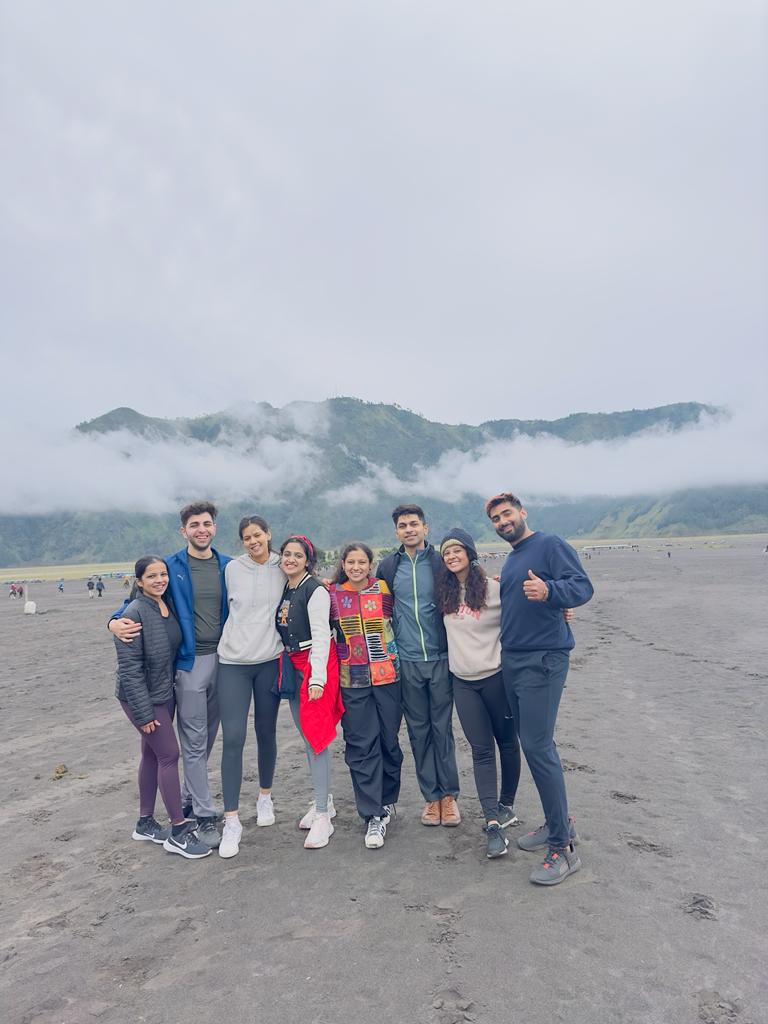
The sunrise point is a less than 30-minute climb up to the hill, where the cold pre-dawn wind hits like a wall (pack extra layers- we underestimated it and regretted). As the sun rose, we got those epic panoramic shots: Mount Bromo in the foreground, flanked by Mount Batok and the massive Mount Semeru glowing in the distance. It’s dramatic and photogenic.
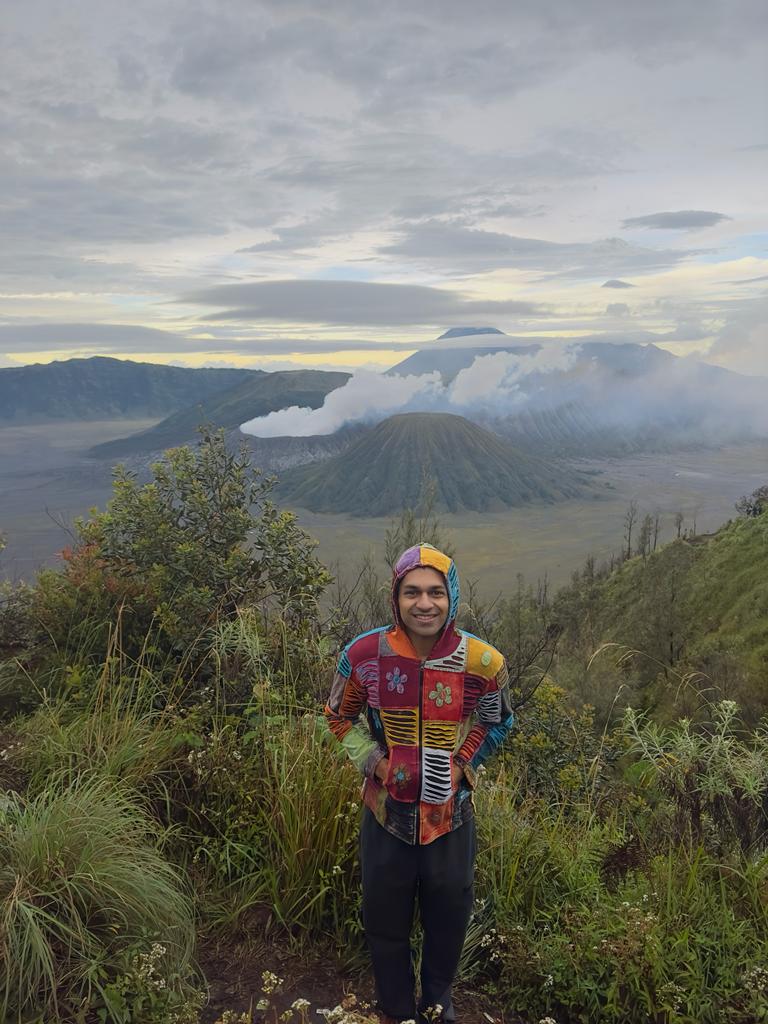
No real hike needed here; jeeps handle most of it. After sunrise, we headed back for a quick bath and breakfast at the homestay before the real ordeal: an 8-hour drive east to our Ijen base (Google promised 5 hours; reality crushed us with curvy hill roads after the highway).
Exhausted from the 3 AM start and endless turns, we barely made it to our Ijen stay before collapsing- only to face another early wake-up. Brutal? Absolutely. Worth skipping? Totally — This was the trip’s lowest point.
On a scale of -5 to +5, I would rate Mt Bromo a -1.5.
11th May, Thu
May 11th kicked off with another brutal 3 AM wake-up for the Mount Ijen hike- a challenging 90-minute uphill trek (one-way) through pitch-black jungle paths to the crater rim. It’s steep and demanding, but we all managed comfortably, especially as the sunrise lit up the trail midway, turning the misty forests golden. Crowds of trekkers with headlamps create a surreal vibe, like a pilgrimage.
At the top, you’re hit with the intense sulfur stench from the steaming turquoise acid lake below- one of the world’s largest. Grab a gas mask (provided) to handle the fumes, but it’s mostly for photo ops. It’s stunning but short: mostly a photo op from the rim, as most visitors can’t descend deep into the crater for safety. No “purple flames” or blue fire for us (that’s a nighttime thing, and deeper access is restricted), but the views and sunrise were still worthwhile. Hike back, breakfast, and check out- no time for sleep.
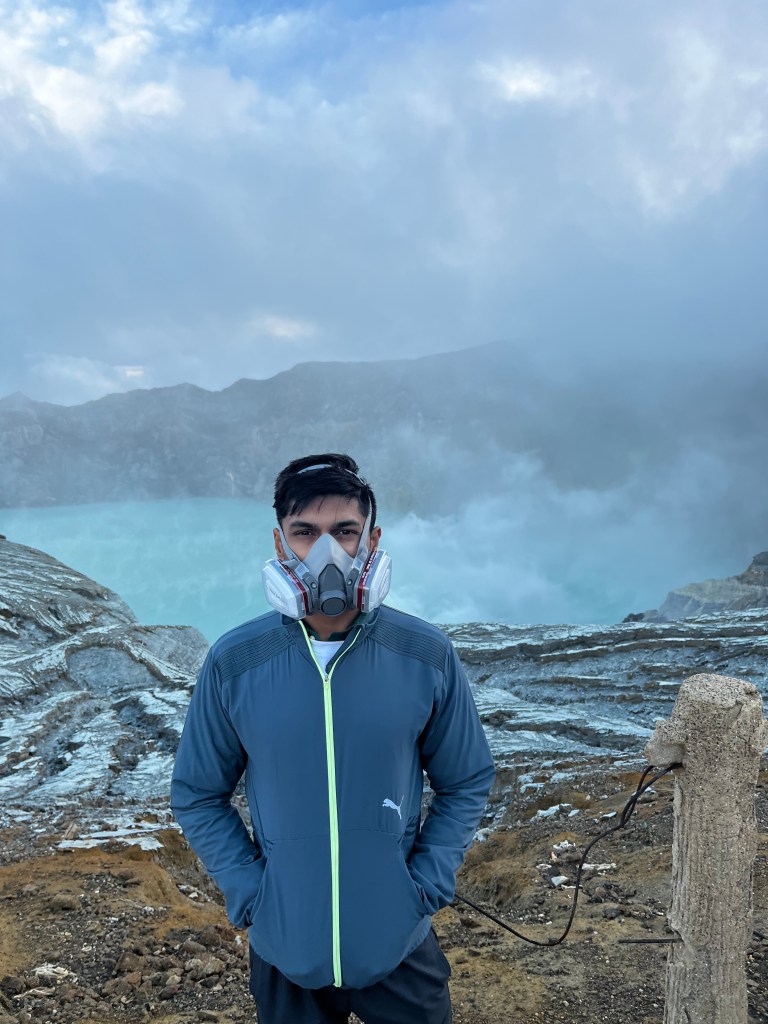
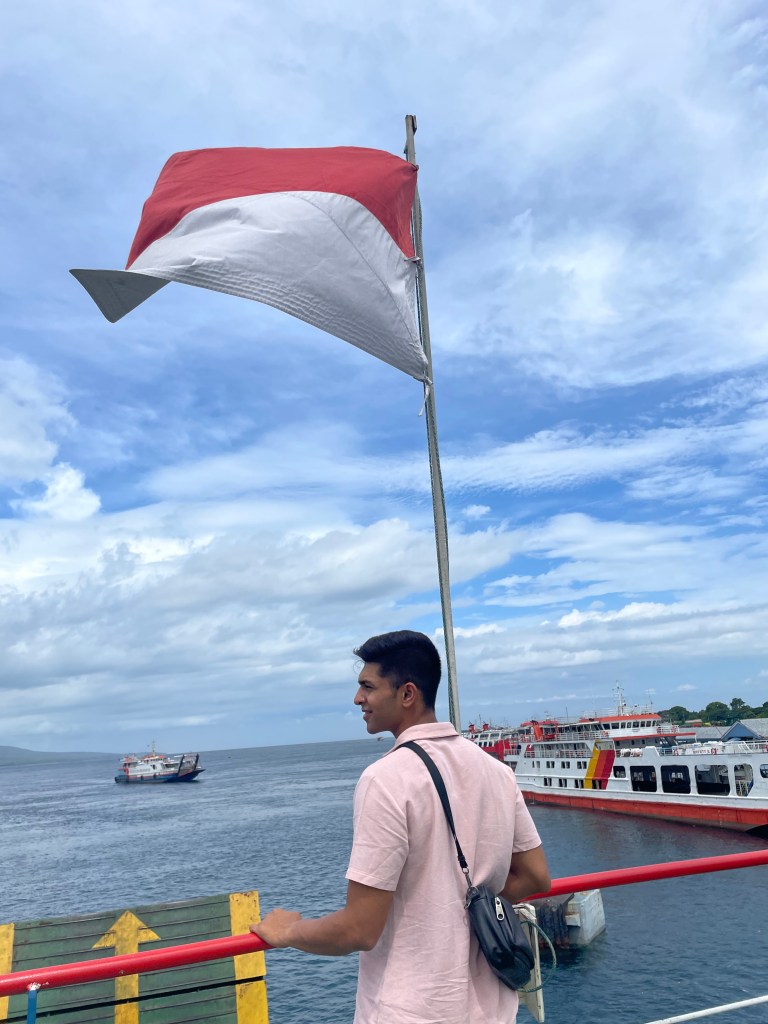
From Ijen (eastern Java), we opted for the smarter route: a short drive to Ketapang Port, then a quick 15-minute ferry to Gilimanuk Port in western Bali (runs every 15-30 minutes, 24/7). A pre-booked car met us there and drove us to Pura Tanah Lot — that iconic sea temple on a rocky outcrop, best at sunset when waves crash dramatically. We arrived post-sunset, so views were dim, but you can wander the clifftop paths, grab drinks, and explore the bustling market outside for souvenirs. Note: The inner temple isn’t accessible to non-Hindus; only limited visitors enter.
Finally, we headed to our lovely Airbnb in the Uluwatu area — a peaceful spot with private pools and gardens amid the cliffs. We crashed hard. Overall, Ijen’s hike is decent but not worth the exhaustion and logistics for everyone — I’d suggest people to skip it.
On a scale of -5 to +5, I would rate Mt Ijen a -2, Tanah Lot a -0.5 and the ferry transfer from Java to Bali a +0.5.
12th May, Fri
On May 12th, based in Uluwatu, we rented scooters for about ₹450/day (bought petrol for ~60 km)- super common and cheap, & they don’t even hold your original passport as a deposit (unorganised spots everywhere; just negotiate and note your location). After breakfast, we zipped to Padang Padang Beach, a small, crystal-clear cove accessed via a narrow cave tunnel. It’s packed with surfers and crowds for its size, but walk a bit along the cliffs, and you’ll find secluded sandy pockets perfect for chilling.
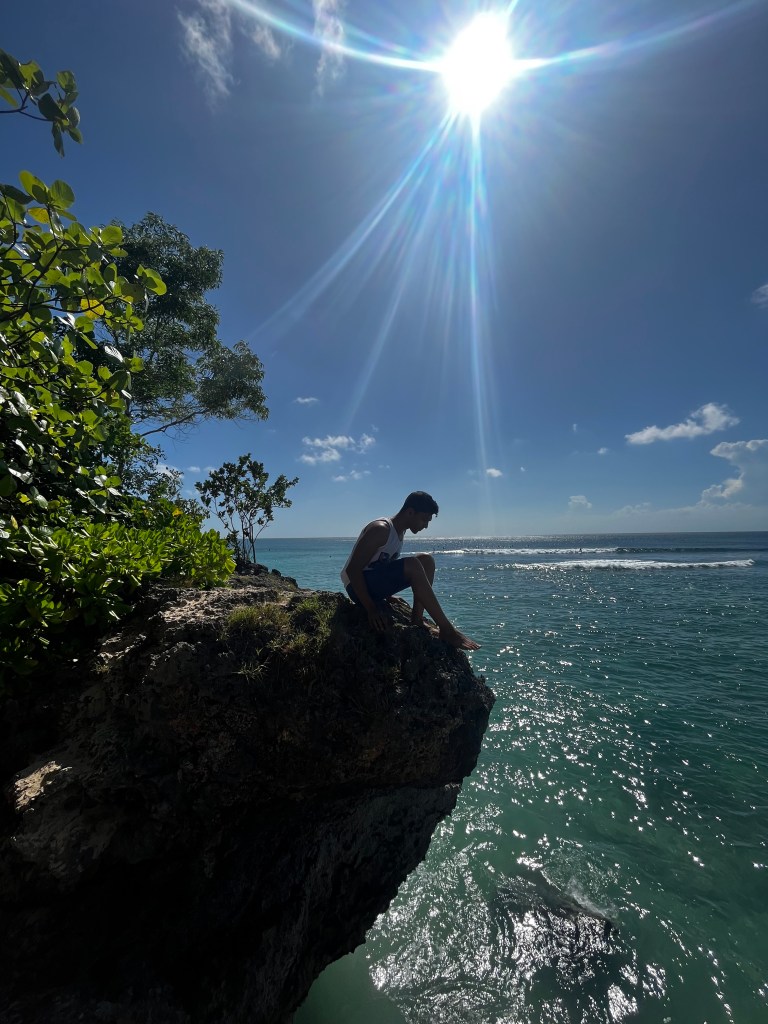
Next: Uluwatu Temple (Pura Luhur Uluwatu), perched on dramatic 70m-high cliffs with pounding ocean waves below. Monkeys rule here- cheeky pros at snatching phones, glasses, or hats, only returning them for two snacks (one per paw). We visited midday (missing the famous evening Kecak fire dance — Ramayana story with chanting and flames, at 6-7 PM or 7-8 PM), but the cliffside views alone are magical. Most beautiful site of Bali.
Post lunch, we headed towards the White Rock Beach Club down a steep hill in the area. The beach around is shallow & wide with a gently sloping sandy bottom make it ideal for wading and playing- no sudden drops. Skip pricey clubs; rent a local cabana/sunbed instead (they serve beer, water, snacks, and have changing spots). We lounged with drinks till sunset.
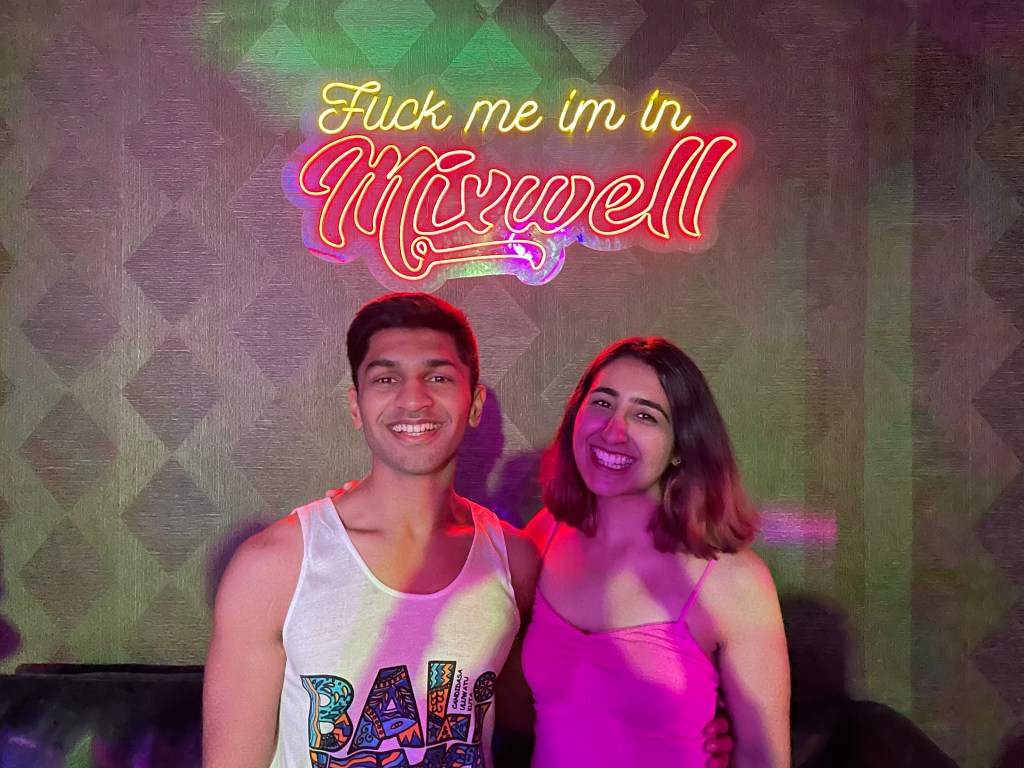
Back at the Airbnb, we freshened up, then explored Uluwatu’s low-key nightlife: adjacent spots like Maxwell and Balijoe (small LGBT-friendly clubs with drag shows and cocktails). Hands-down my favourite day- scooter freedom, top beaches, monkey antics, and relaxed vibes. Other notables: Rock Bar or Savaya (more upscale day clubs in Uluwatu).
On a scale of -5 to +5, I would rate riding scooters in Bali a +2.5, Padang Padang Beach a +1.5, Uluwatu temple a +3.5, the beach around White Rock a +4, and the Balijoe and Maxwell LGBT bars a +1.
13th May, Sat
Our last full day (May 13th) was a packed adventure: a pre-booked Nusa Penida day trip + snorkelling starting at 6 AM from Sanur Port. The 45-minute fast boat ferry from the Sanur Port to Nusa Penida’s Toyapakeh Port is smooth, and a car picks you up right there for the west coast highlights.
Kelingking Beach: The T-Rex-shaped cliff is Instagram gold- stunning views down to the white-sand cove, but the 500+ steep stairs (like 15 stories) deterred us from descending.
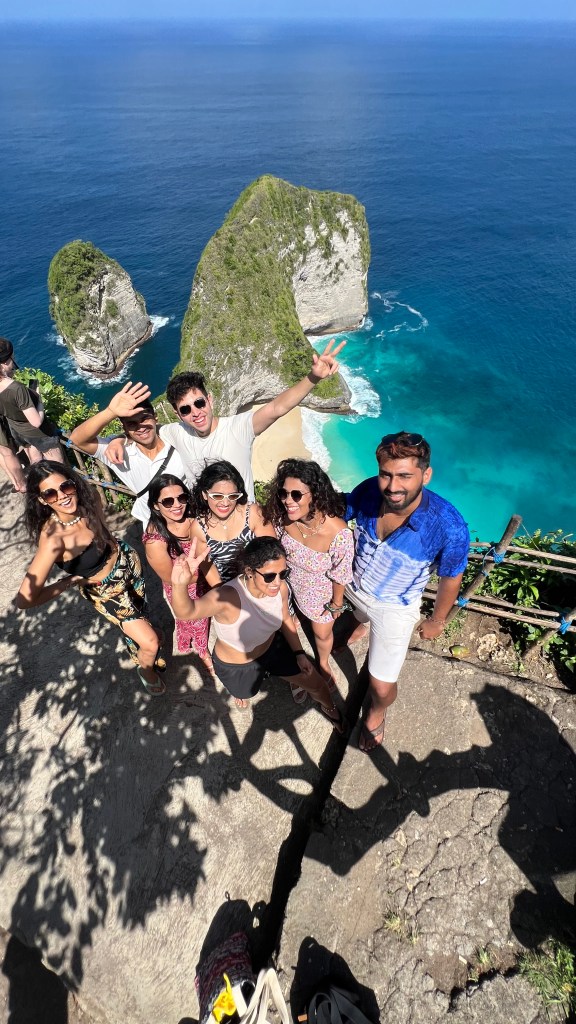
Angel’s Billabong: Natural infinity rock pool filled by waves- gorgeous turquoise, but risky currents keep it for photos only.
Broken Beach: Dramatic natural rock arch framing the sea- view from cliffs, no beach access.
We chilled at Crystal Bay beach before snorkelling at Manta Point (gentle giants if lucky), back to Crystal Bay, and another spot with vibrant corals, fish, and rays. Gear’s included; water’s world-class. Lunch on the island, then ferry back by evening.
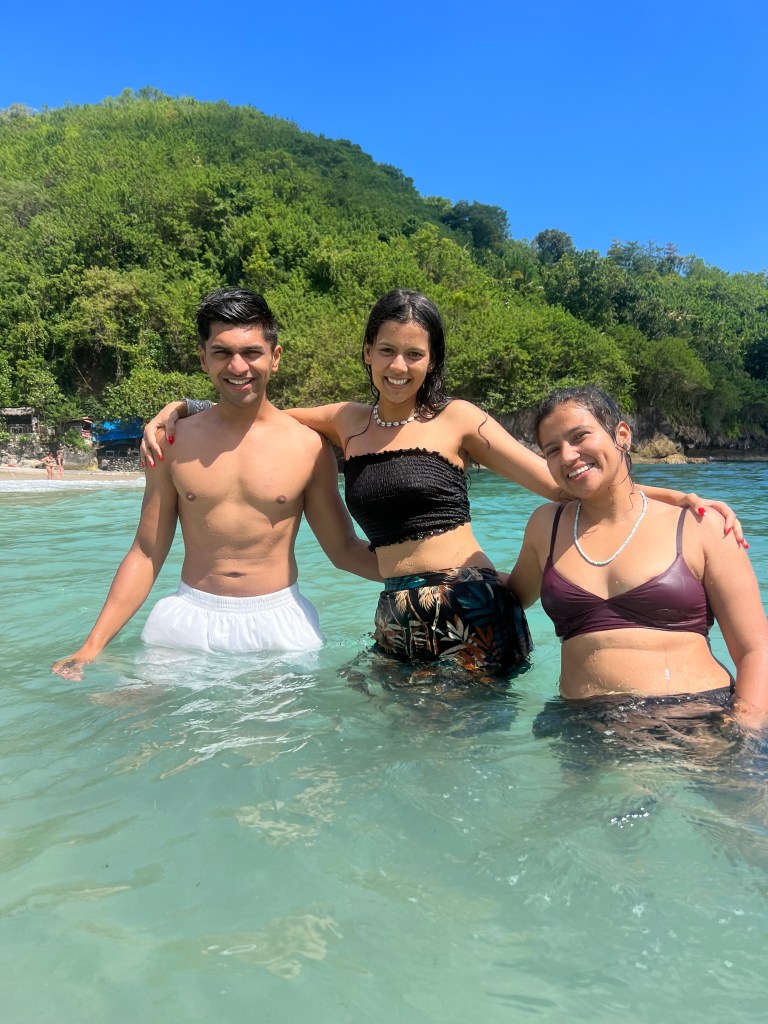
Post-massage unwind, we hit Motel Mexicola in Seminyak- Bali’s ultimate party spot. Mexican vibes, killer cocktails (pricey but fun in a group), mad DJ sets with sing-along western hits, and non-stop dancing till late. Amazing crowd, especially on weekends.
Nusa Penida’s scenic but overhyped; save the east coast (Diamond Beach) for a 2-day stay with scuba at Manta areas.
On a scale of -5 to +5, I would rate Kelingkeling a +1.5, Angel Billabong -2, Broken Beach -1, and snorkelling in Nusa Penida +3.
14th May, Sun
May 14th was our chill send-off before flying home. Staying near the airport made it easy: We hit Jimbaran Beach early- a long, golden stretch for the last day’s beach adventure. Grabbed breakfast beachside, then headed for check-out.
We flew via KL back to Bengaluru. Bali delivered magic, beaches, volcanoes, and vibes.
On a scale of -5 to +5, I would rate Jimbaran Beach a +3.
 the 100 countries club
Leave a comment